



Exploring Online Mental Health Communities
- heart2heartchat

- Dec 16, 2025
- 5 min read
In the vast expanse of the digital world, virtual mental health networks have emerged as sanctuaries where individuals can seek solace, understanding, and encouragement. These platforms, often cloaked in anonymity, provide a unique space for sharing experiences and navigating the complexities of emotional well-being. The evolution of such networks reflects a profound shift in how support is accessed and delivered, transcending geographical boundaries and societal stigmas. As I delve into the intricacies of these communities, I am reminded of the delicate balance between vulnerability and strength that defines the human experience.
The Rise and Significance of Virtual Mental Health Networks
The proliferation of virtual mental health networks has been nothing short of transformative. These platforms serve as digital hearths, where stories of struggle and resilience are exchanged with empathy and respect. The significance of these networks lies not only in their accessibility but also in their capacity to foster genuine human connection in an often isolating world.
Virtual mental health networks operate on principles of confidentiality and inclusivity, allowing members to express themselves without fear of judgment. This environment nurtures a sense of belonging, which is crucial for emotional healing. For example, individuals grappling with anxiety or depression can find peers who understand their journey intimately, offering advice grounded in lived experience rather than clinical detachment.
Moreover, these networks often provide resources such as moderated discussions, expert Q&A sessions, and coping strategies tailored to diverse needs. The integration of professional guidance with peer support creates a holistic approach to mental health care. It is within these digital corridors that many discover the courage to seek further help or adopt healthier coping mechanisms.

In essence, virtual mental health networks represent a paradigm shift from traditional support systems, emphasizing accessibility, anonymity, and community-driven healing. Their rise underscores the growing recognition of mental health as a vital component of overall well-being.
Navigating the Landscape of Virtual Mental Health Networks
Understanding the landscape of virtual mental health networks requires an appreciation of their diverse formats and functionalities. These networks range from large-scale forums to intimate group chats, each catering to different preferences and needs.
One prominent example is the online mental health community, which exemplifies a safe and anonymous environment for individuals seeking emotional support. Such platforms often employ strict moderation policies to maintain respectful discourse and protect members from harmful content.
When engaging with virtual mental health networks, it is advisable to consider the following practical aspects:
Anonymity and Privacy - Ensure the platform guarantees confidentiality to foster open communication.
Moderation and Safety - Opt for networks with active moderation to prevent misinformation and abuse.
Community Size and Focus - Choose communities that align with your specific needs, whether general mental health or condition-specific support.
Resource Availability - Look for platforms offering educational materials, professional input, and crisis intervention links.
By thoughtfully selecting and participating in these networks, individuals can maximize the benefits of virtual support while minimizing potential risks.
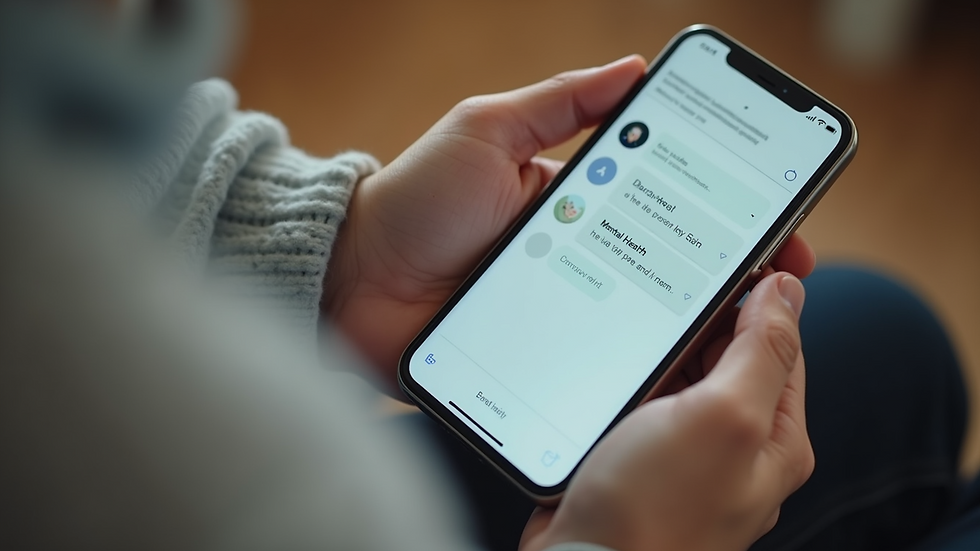
The navigation of this digital terrain is akin to exploring a vast library of human experience, where each interaction contributes to a collective tapestry of healing and hope.
The Therapeutic Potential of Shared Experiences
At the heart of virtual mental health networks lies the therapeutic power of shared experiences. The act of articulating one’s struggles and hearing others’ stories can be profoundly validating and cathartic. This mutual exchange fosters empathy and diminishes the isolation often accompanying mental health challenges.
For instance, a member recounting their journey through grief may find solace in the compassionate responses of others who have endured similar losses. Such interactions can illuminate pathways to resilience and recovery that might otherwise remain obscured.
Furthermore, the asynchronous nature of many virtual networks allows participants to engage at their own pace, providing flexibility that traditional therapy settings may lack. This accessibility is particularly beneficial for those who face barriers such as mobility issues, social anxiety, or geographic isolation.
The collective wisdom embedded within these communities often extends beyond emotional support to practical advice. Members share coping techniques, recommend therapeutic resources, and celebrate milestones together, creating a dynamic ecosystem of care.
In this light, virtual mental health networks transcend mere discussion forums; they become crucibles of transformation where vulnerability is met with strength, and despair is countered with hope.
Building Trust and Authenticity in Digital Spaces
The efficacy of virtual mental health networks hinges on the establishment of trust and authenticity among participants. Given the absence of physical presence, these elements must be cultivated through consistent, respectful, and empathetic interactions.
Trust is fostered when members feel assured that their disclosures will be met with confidentiality and understanding. Authenticity emerges as individuals share their true selves, unencumbered by societal expectations or stigma. This genuine exchange is the lifeblood of meaningful connection.
To nurture these qualities, many platforms implement guidelines that encourage respectful communication and discourage judgment or unsolicited advice. Moderators play a crucial role in upholding these standards, intervening when necessary to maintain a supportive atmosphere.
Participants themselves contribute by practicing active listening, validating others’ feelings, and sharing their own experiences with honesty. Such reciprocal engagement reinforces the sense of community and belonging.
The cultivation of trust and authenticity within virtual mental health networks not only enhances individual well-being but also strengthens the collective resilience of the community.
Embracing the Future of Mental Health Support
As technology continues to evolve, so too will the landscape of virtual mental health networks. Innovations such as artificial intelligence, virtual reality, and enhanced data security promise to enrich these platforms, making support more personalized, immersive, and secure.
The potential integration of AI-driven chatbots could provide immediate responses to users in distress, while virtual reality environments might simulate therapeutic settings that foster relaxation and mindfulness. Enhanced encryption and privacy measures will further safeguard the anonymity that is so vital to these communities.
Looking ahead, the challenge will be to balance technological advancements with the human touch that defines effective mental health support. Platforms like Heart 2 Heart Chat exemplify this balance by combining cutting-edge digital tools with a compassionate, community-centered approach.
In embracing these developments, virtual mental health networks stand poised to become even more indispensable resources for those seeking connection and healing in an increasingly complex world.
In reflecting upon the profound impact of virtual mental health networks, it becomes evident that these digital sanctuaries offer more than mere conversation—they provide a lifeline. Through shared stories, mutual trust, and innovative technologies, they illuminate pathways toward resilience and hope. As these networks continue to evolve, they will undoubtedly play a pivotal role in shaping the future of mental health support, ensuring that no one need face their struggles alone.


Comments